Digital impressions
Three-dimensional records can support restorative, aligner and monitoring workflows without traditional impression material in suitable cases.
Digital diagnostics
Technology supports clinical judgement. It helps us record detail, explain findings clearly and plan treatment with fewer assumptions.
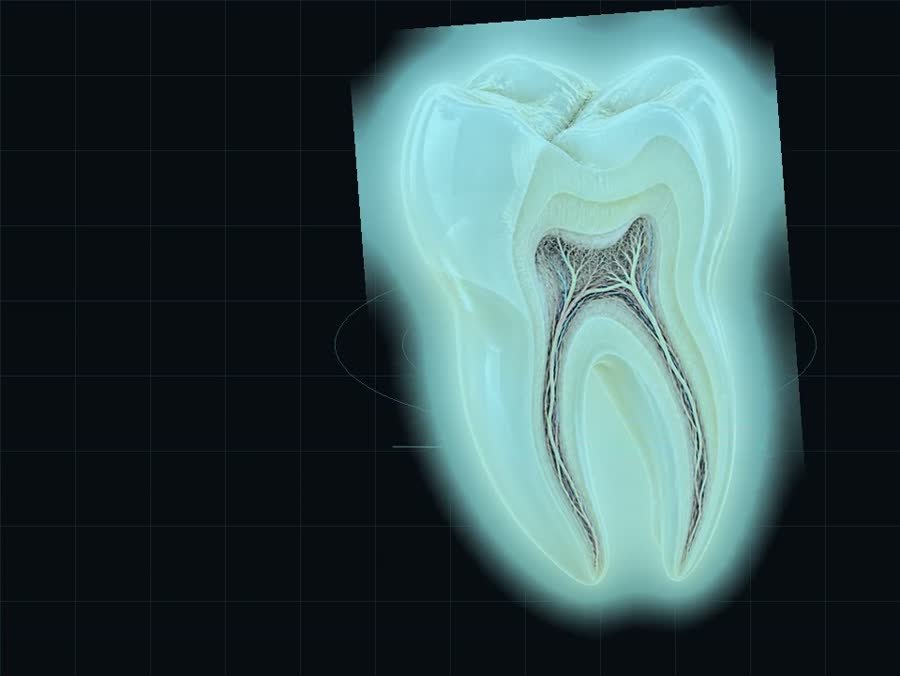 DIAGNOSTIC VIEW
Clinical purpose
Digital tools are used when they add useful information to an examination or treatment plan. Findings are reviewed by the clinician and discussed in plain language.
Three-dimensional records can support restorative, aligner and monitoring workflows without traditional impression material in suitable cases.
Consistent photographs help document the starting point, communicate options and compare changes over time.
Radiographs may be recommended when clinically appropriate. The reason for each image is explained before it is taken.
Records can be combined to assess space, shape, bite and proposed treatment before irreversible work begins.
The sequence
We gather only the clinical records needed for the question being assessed.
Your dentist interprets the findings alongside the examination and your priorities.
You see the relevant findings and receive clear options before deciding what to do.
Questions
No. Digital records should be taken only when they add useful information to an examination, diagnosis or treatment plan.
No. It provides records and measurements. A qualified clinician interprets that information alongside the examination and patient history.
Relevant findings can be shown and explained to help patients understand the diagnosis and available treatment options.
See the complete picture